How to Make Your Products Stand Out with Creative Packaging Ideas
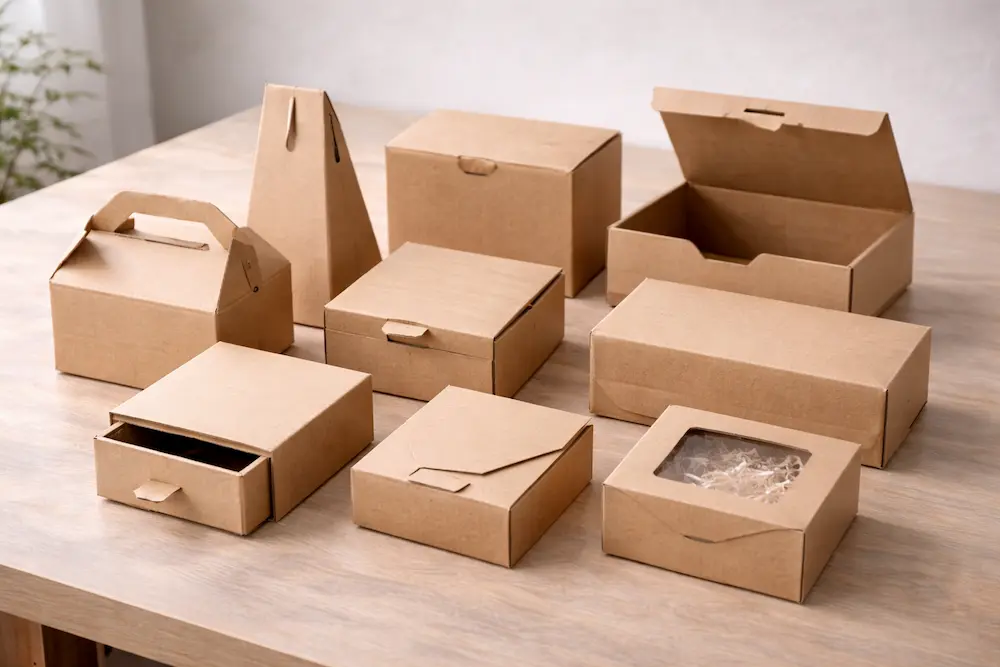
Think about the last time you bought something partly because the packaging caught your eye.
Maybe it was a coffee bag with unusually bold typography, a skincare product in a beautifully simple box, or a candle wrapped in paper that felt almost too nice to throw away. You might have gone into the store with no intention of buying it, yet somehow the packaging made you stop, pick it up, and take a closer look.
That moment matters more than many businesses realize.
Packaging is no longer just something that protects a product while it travels from a warehouse to a customer. It has become part of the product experience itself. In crowded marketplaces where customers can choose between dozens of similar products, creative packaging can give people a reason to notice yours first.
The good news is that memorable packaging does not necessarily require an enormous design budget. A few thoughtful choices involving color, materials, typography, personalization, and technology can completely change how customers perceive what you sell.
Let’s look at some practical ways to make that happen.
Start by Thinking Beyond the Box
When people hear “product packaging,” they often immediately picture a cardboard box.
But packaging includes much more than that.
It could be the sleeve wrapped around a coffee cup, the sticker sealing a tissue-paper package, the tag attached to a handmade necklace, or even the small card placed inside an online order.
Every one of these elements communicates something about your brand.
Imagine receiving two identical handmade soaps.
The first arrives in a plain plastic wrapper with a basic printed sticker.
The second comes wrapped in textured recycled paper, secured with a small branded label and accompanied by a handwritten thank-you card.
The soap itself might be exactly the same, but the second version immediately feels more thoughtful and valuable.
That perception can influence whether someone buys again, recommends the product, or shares it online.
Before redesigning everything, look at your packaging from a customer’s perspective. Ask yourself whether opening your product feels like an experience or simply a transaction.
Use Color to Make Your Product Recognizable
Color is one of the fastest ways to build visual recognition.
Some brands are so closely associated with particular colors that customers can recognize them before seeing the company name. Smaller businesses can use the same principle.
The goal is not necessarily to choose the brightest color on the shelf. Instead, choose colors that fit the personality of your product.
A natural skincare company might use earthy greens, warm beige, and muted tones. A children’s snack brand might use energetic oranges and yellows. A premium technology product may rely on black, white, silver, or restrained color combinations.
Consistency matters even more than the exact color you choose.
If your website, social media graphics, labels, boxes, and thank-you cards all use completely different visual styles, the brand can feel disconnected. When the colors work together, customers begin recognizing your products more quickly.
That recognition becomes especially valuable online, where someone may scroll past dozens of products in seconds.
Let Your Labels Do More Than Identify the Product
Labels are easy to overlook, but they can become one of the most flexible parts of your packaging strategy.
A label can communicate your product name, ingredients, instructions, personality, and brand story in a surprisingly small space.
For small businesses in particular, labels also make it possible to refresh packaging without ordering completely new boxes or containers.
Instead of printing thousands of custom boxes, for example, you could purchase simpler packaging and create custom label designs that match different products, seasonal collections, or special promotions.
This approach gives you more room to experiment.
A bakery could introduce Valentine’s Day labels in February. A coffee brand could create limited-edition labels featuring illustrations from local artists. A candle company might design a different visual identity for each scent while keeping the overall packaging structure consistent.
Small design changes can make familiar products feel new again.
Tell a Small Story
Customers often remember stories more easily than product specifications.
Your packaging gives you a surprisingly good place to tell one.
You do not need to print your company’s entire history on the side of a box. Sometimes a single sentence can create a connection.
A family-run honey company might include a note explaining where its bees are kept. A handmade ceramics brand could mention that every item is slightly different because each piece is shaped and glazed individually. A sustainable clothing company might explain why it chose a particular recycled material.
These details help customers understand that there are people, decisions, and values behind the product.
That human element is particularly valuable for smaller brands competing against large companies with bigger advertising budgets.
You may not be able to outspend a major competitor, but you can often communicate your story more personally.
Design an Unboxing Moment
Unboxing has become part of modern shopping culture.
Customers regularly photograph and film packages for TikTok, Instagram, YouTube, and other platforms. For brands, that creates an opportunity: your customers can essentially become part of your marketing.
But creating a shareable unboxing experience does not mean filling a package with unnecessary decorations.
Often, simplicity works better.
You could add:
- A carefully designed thank-you card, unexpected message, reusable sticker, or small sample that gives the customer something extra to discover.
- A simple opening sequence where tissue paper, a branded seal, and neatly arranged products make the order feel intentionally prepared.
The goal is to create one small moment where the customer thinks, “That’s a nice touch.”
That reaction is exactly what makes people remember brands.
Make Packaging Useful After the Purchase
One of the most interesting packaging trends is designing containers that customers can reuse.
Instead of creating packaging that immediately goes into the recycling bin, think about whether it can serve another purpose.
A sturdy tea tin might become kitchen storage. A candle jar could become a small plant pot. A clothing box could be designed to store accessories. A fabric pouch might later hold cosmetics or travel items.
Reusable packaging provides two benefits.
First, it can reduce waste.
Second, your branding may remain in the customer’s home for months rather than disappearing five minutes after the package is opened.
That gives packaging a much longer life than traditional advertising.
Use Technology to Test Ideas Before Producing Them
Packaging design used to involve a much slower process.
A business might hire a designer, order physical samples, discover something looked wrong, revise the design, and repeat the process.
Digital design tools have dramatically changed that workflow.
Today, businesses can create mockups, experiment with fonts, test different color combinations, and visualize packaging concepts before committing to large print runs.
This is particularly useful when you are still learning what resonates with your customers.
For example, imagine you are launching a new protein snack.
Instead of immediately printing 5,000 packages, you could create several digital concepts and show them to potential customers through surveys, social media polls, or small focus groups.
You might discover that customers prefer a cleaner design rather than the bold athletic packaging you originally imagined.
That type of feedback can save both money and frustration.
Technology also makes learning design principles much more accessible. Entrepreneurs who once needed professional software training can now experiment with templates, tutorials, AI-assisted tools, and browser-based editors. By trying different layouts and receiving feedback quickly, business owners gradually learn what works visually rather than relying entirely on guesswork.
In other words, technology has shortened the distance between learning an idea and actually applying it.
Personalization Can Make Packaging Feel Special
Personalized packaging can create a surprisingly strong connection between customers and brands.
Think about campaigns where companies print customer names, locations, messages, or limited-edition designs on products.
Large brands have used this strategy successfully, but personalization is becoming increasingly accessible to smaller businesses too.
A subscription company could include the customer’s first name inside the box. A wedding-gift business might customize packaging for each couple. An online bookstore could include a card recommending the buyer’s next read based on their purchase.
Even simple personalization can turn a standard order into something that feels individually prepared.
You do not need to customize everything.
Sometimes one personal element is enough.
Sustainability Should Feel Genuine
Customers increasingly pay attention to packaging waste, but sustainable packaging works best when it is practical rather than performative.
Using an enormous box filled with recycled paper is still an enormous box.
Start with the simplest question: does the product actually need this much packaging?
Reducing packaging can sometimes make a product look more premium while lowering material and shipping costs at the same time.
You can also explore recycled cardboard, biodegradable materials, refillable containers, compostable mailers, or packaging made from responsibly sourced materials.
If sustainability is part of your packaging strategy, explain it clearly.
A small note saying, “This box is made from 100% recycled cardboard—please recycle it again,” is more helpful than vague claims about being environmentally friendly.
Specific information builds credibility.
Don’t Sacrifice Practicality for Creativity
Beautiful packaging still needs to do its basic job.
It must protect the product.
A visually stunning glass bottle that constantly breaks during delivery is not good packaging. Neither is a stylish box that takes customers five frustrating minutes to open.
Before approving a design, test it in realistic situations.
Open it several times. Ship samples. Stack the boxes. Put them in bags. Ask someone unfamiliar with the product to open it without instructions.
Sometimes the smallest usability problem becomes obvious only when someone actually handles the packaging.
Good packaging sits at the intersection of creativity and practicality.
It should look interesting while still being easy to transport, store, open, and dispose of.
Packaging Is Part of the Product Experience
Creative packaging does not have to mean complicated packaging.
In many cases, the brands people remember are the ones that make a few deliberate choices and execute them consistently.
Use colors customers can recognize. Give labels personality. Tell a short story. Add one thoughtful surprise. Consider materials carefully. Test ideas digitally before investing heavily in production.
Most importantly, think about how your customer feels when they receive the product.
Does the packaging feel generic?
Or does it feel like someone actually thought about the experience?
Customers may originally choose your product because of what is inside the package, but the way you present it shapes their first impression long before they use it.
And when packaging is memorable, functional, and unmistakably connected to your brand, that first impression can become the beginning of a much longer customer relationship.
About The Author